
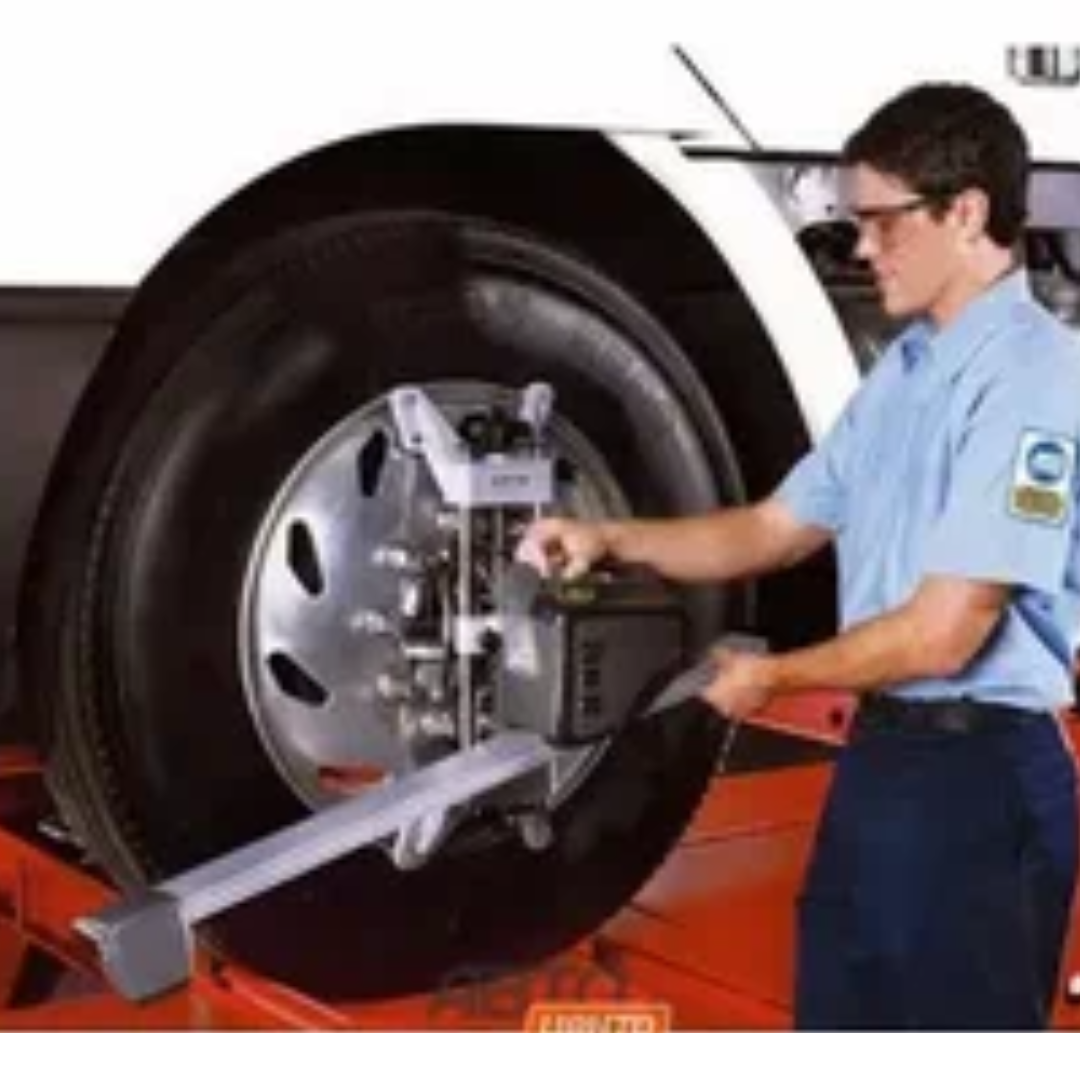
Wheel alignment can help in managing the performance of the vehicles with overall driving experience, safety, and comfort. Some motorists overlook the necessary aspects of vehicle servicing and maintenance. They ensure that the car tyres and the vehicle's suspension are in good condition by determining road handling.
The properly aligned wheels assure that the vehicles move efficiently, smoothly, and safely on the road. Understanding the basics of wheel alignment helps vehicle users recognise the necessity. This helps in taking timely action to prevent unnecessary damage.
Fundamentals of Wheel Alignment
Wheel alignment refers to adjusting the suspension of a vehicle. Assuring the wheels by setting the recommended angles of the manufacturer is important. It is necessary to note that the wheel alignment does not involve adjusting the car tyres themselves. Proper wheel alignment assures that all four wheels work by offering stability, harmony, and precision while driving.
There are various primary angles that are involved with the major wheel alignment, such as caster, camber, and toe. Each of these parts plays a vital role in managing performance and handling the vehicles.
The camber refers to the outward or inward tilt of the wheels that are viewed from the part of the vehicle. If the top portion of the wheels leans outward, it is known as positive camber. If the parts lean inward, it is always negative camber. The wrong camber may lead to decreased grip on the road and tyre damage.
Caster is the right angle of managing the steering axis whenever it is viewed from the side of the vehicle. It also affects the stability of the steering for managing the vehicles in a straight line. Managing the angles of the recommended specifications assures that the vehicle performance works in the best way by offering a safe and smooth driving experience.
Why Wheel Alignment Is Important?
Proper wheel alignment affects various aspects of managing the performance of the vehicles. The main noticeable advantage is improving the lifespan of the tyres Ford. When the wheels get misaligned, the vehicle tyres wear out unevenly. This may be the reason for premature replacement requirements and expense increases.
Fuel efficiency is the main key factor in managing tyres. Misaligned wheels can create the main resistance by forcing the vehicle's engine to work harder and consume more fuel. By assuring the proper wheel alignment, the drivers may achieve high mileage and decrease fuel expense.
Safety is also affected, and the misaligned vehicles may pull out at one side. It makes it difficult to control the tyres, especially during the manoeuvres on the wet roads. The correct wheel alignment allows the vehicle to maintain better control, and it improves handling in driving conditions.
Comfort is the most overlooked, and it is important. Properly aligned tyres and wheels reduce vibrations and provide a smooth ride by ensuring the steering wheel remains steady. This increases the overall driving experience during long journeys.
Factors Affecting Wheel Alignment
Various factors may disrupt wheel alignment on time. Driving on rough roads can be a common cause. Speed bumps, potholes, and kerbs may knock the wheel alignment.
Minor collisions or accidents may affect alignment, even when any damage occurs in an insignificant way, affecting the correct position. Routine damage is inevitable through periodic wheel alignment checks. The professional services help ensure the vehicles remain in the right performance and optimal condition.
Tips to Manage the Right Wheel Alignment
Managing the wheel alignment doesn't need extensive effort. The simple practice makes a real difference. Driving carefully and avoiding potholes over speed bumps can help prevent sudden misalignment.
Keeping the car tyres inflated assures contact with the road. This may decrease the strain on the wheel alignment. Routine rotation of tyres promotes damage by supporting better alignment on time.
Scheduling the periodic inspection with the trusted professionals assures that most of the problems are detected correctly and promptly. This type of proactive approach assures performance, safety, and longevity of the vehicles.
When Should Wheel Alignment Be Checked?
The experts suggest checking the wheel alignment once a year, after every 12,000 miles. But it is suggested to have an inspection sooner after signing the contract for the misaligned appearance.
Vehicle owners travel on rough terrains and carry heavy loads. This may need frequent checking. Routine car maintenance not only improves performance but also prevents expensive repairs in the long run. Including wheel alignment Ford checking as part of regular car servicing ensures the vehicle always remains in good condition. It also helps in identifying some issues by decreasing the main risk of mechanical issues.
Conclusion
Wheel alignment is the basic aspect related to vehicle servicing that influences comfort, safety, and efficiency. By understanding the core regulations and the misalignment symptoms, the vehicle owners can periodically take action to protect their vehicles. The routine checking and professional service ensure that the wheels remain aligned properly. This allows the vehicles to perform their best in offering a reliable and smooth driving experience.